Yoga As A Practice Of Liberation And Healing
Juneteenth marks a powerful moment in U.S. history — the emancipation of enslaved African Americans in 1865, and the ongoing struggle for freedom, dignity, and justice. It’s a time to reflect on the past, honor the strength of the Black community, and recommit to the work of equity and liberation.
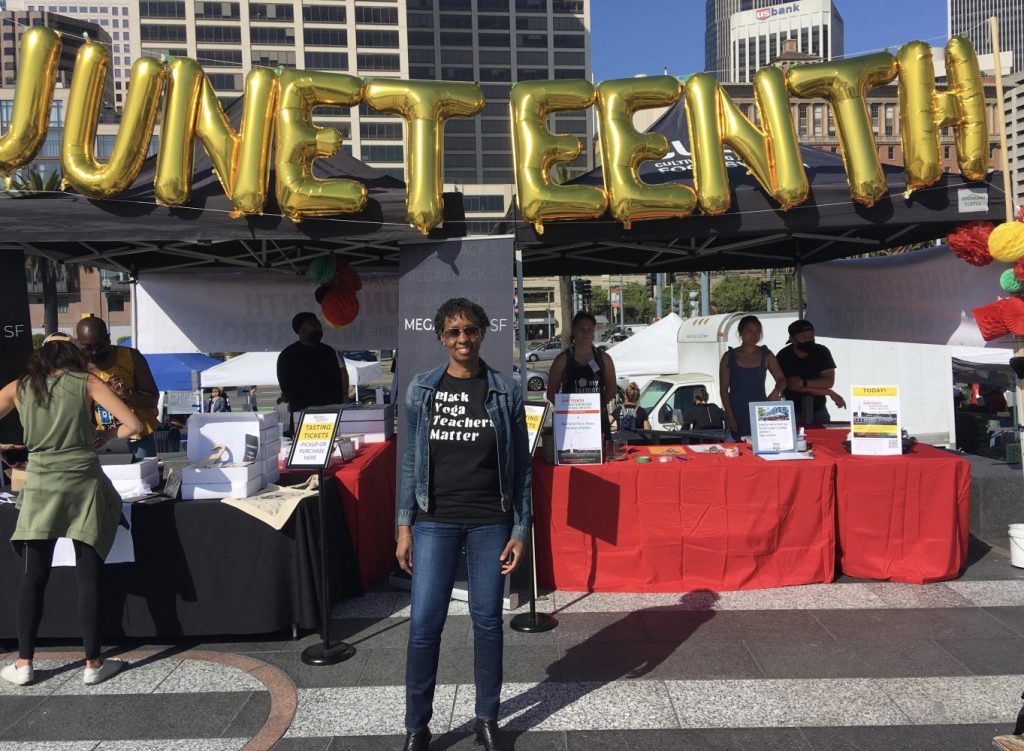
Yoga, with its ancient origins in South Asia, might not seem an obvious part of the Juneteenth narrative. But within Black communities, yoga has quietly emerged as a profound tool for resistance, restoration, and reclaiming wholeness.
Across generations, Black practitioners have turned to yoga as a way to heal from trauma, reconnect with self, and hold space for collective grief and joy. In a world that often seeks to fracture and erase, yoga becomes a way to come home to the body — to breathe, to move, and to exist fully and freely.
Yet this journey hasn’t been without barriers. For many years, yoga was seen as inaccessible or culturally alien — a practice reserved for the privileged, and disconnected from the lived realities of Black Americans. The lack of representation, cultural appropriation, and exclusion from wellness spaces has made it difficult for many to feel seen or welcomed.
This Juneteenth, we recognize not only the history of emancipation but also the ongoing fight for true liberation — including the right to rest, to heal, and to thrive.
At Folk Yoga, we are committed to creating inclusive and affirming spaces where yoga is not just a practice, but a pathway toward healing and empowerment for all. We honor the Black community’s enduring spirit, creative resistance, and deep wisdom — and we celebrate the many ways Black yogis have shaped and redefined this practice as a form of liberation.
Because yoga is more than a movement practice — it is a radical act of self-care and self-claiming. And liberation, in all its forms, begins within.